Let's start with the uncomfortable truth
Your libido changes with the seasons. Winter brings less light, colder temps, and a kind of bodily slowdown that's hardwired into your nervous system. Spring and summer flip a switch. Fall feels restless. This isn't laziness or relationship trouble masquerading as seasonal affect. It's physiology.
Most people treat seasonal libido shifts like a bug to fix. They're not. They're a feature. And once you stop fighting the rhythm, pleasure becomes easier to access, not harder.
The science behind seasonal desire
Here's what's actually going on inside your body. When daylight shrinks, melatonin production increases. That's the hormone that makes you sleepy and pulls down arousal. Simultaneously, serotonin (the neurotransmitter linked to mood and motivation) dips. Your core temperature drops, your metabolism slows, and your nervous system tips toward a parasympathetic state. That's rest mode, not play mode.
In winter, sexual response genuinely takes longer to activate. Your tissues respond more slowly. Vaginal lubrication production decreases slightly. Orgasms, when they come, often feel less intense or more scattered. This is not psychological. It's measurable in blood work and neural imaging.
Spring and summer reverse almost all of this. Longer days suppress melatonin. Your core temperature rises. Serotonin increases. Blood flow to the genitals improves. Arousal becomes snappier, orgasms feel more focused, and the whole experience requires less setup.
Then there's autumn. Light drops fast, temperature plummets, but your body hasn't fully shifted into winter mode yet. Many people experience a weird, unsettled feeling in fall. It's not sadness exactly. It's like your nervous system can't decide what season it is, and desire becomes erratic. Some days impossible, other days intense and almost manic.
Why Lemon vibrators work better than waiting it out
There's a temptation to assume that seasonal libido dips mean you should just step back from pleasure during winter. Let your body rest. This is a trap. The longer you go without any stimulation, the harder it becomes to access pleasure when you finally try. Your nervous system literally rewires itself based on what you practice.
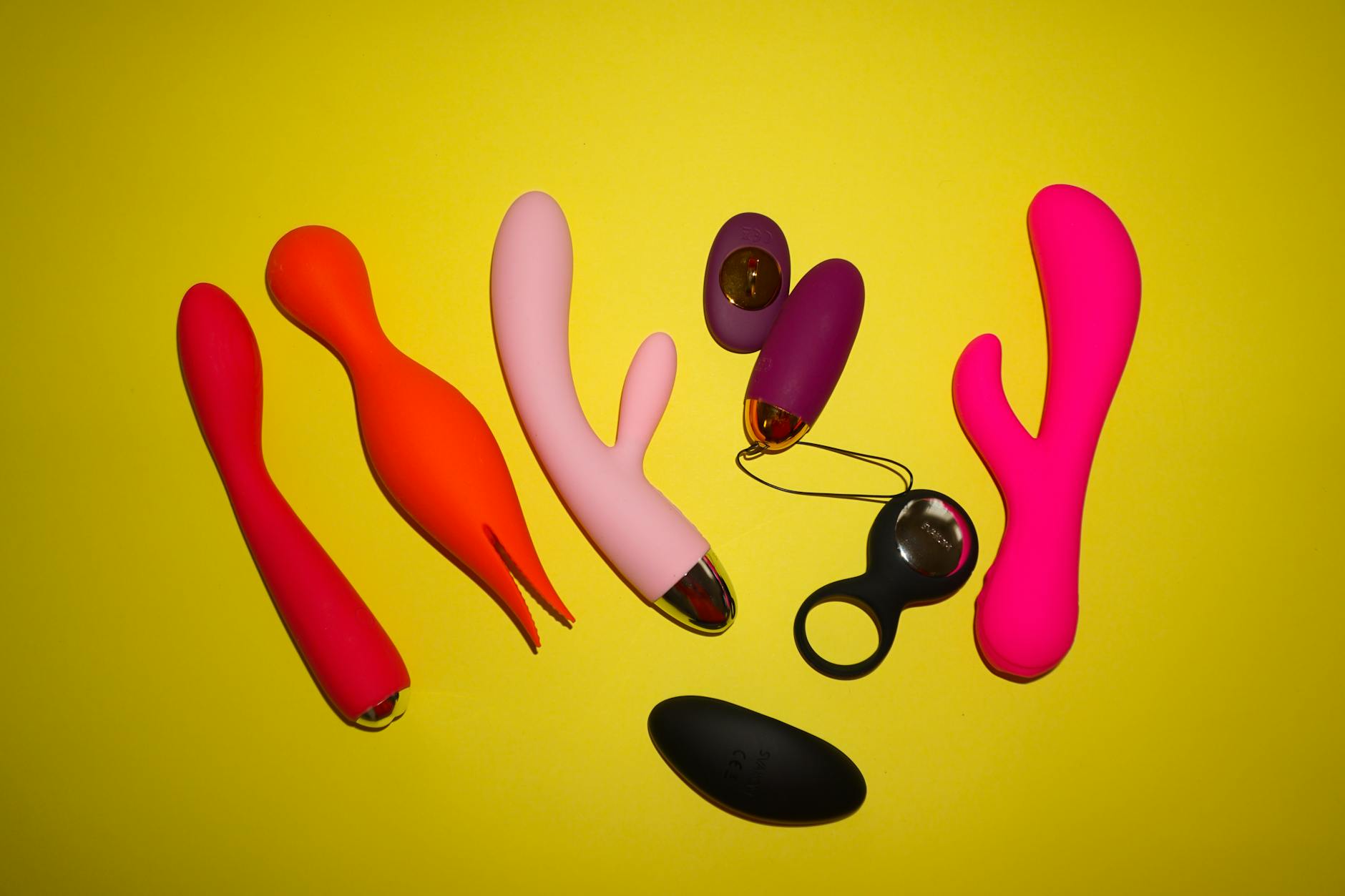
Lemon clitoral vibrators, specifically suction-based designs, help because they work with your slower arousal rather than against it. In winter, your clitoris needs more consistent, longer stimulation to reach the same point of responsiveness it hits in summer with minimal touch. Traditional vibrators rely on you being aroused enough to enjoy direct friction. Suction works differently. It creates a gentle pulling sensation that activates nerve endings without requiring the same level of pre-existing arousal.
This means you can use lemon vibrators earlier in the arousal cycle. You don't have to wait until you're fully warmed up. The suction does some of that warming for you.
How to adjust your practice by season
Winter approach. Budget more time. If summer you can reach orgasm in fifteen minutes, winter you needs twenty-five to thirty. Start sessions earlier in the evening, when you have more energy. Use warmth. A heated blanket, a warm shower beforehand, or even just ambient temperature makes a neurological difference. Your nervous system responds better to touch when your body isn't conserving heat.
With a lemon clitoral vibrator, start at lower intensity and stay there longer. Let the suction build gradually. Don't move to higher patterns expecting the same snap you'd get in summer. You're not broken. You're seasonal.
Spring transition. This is when many people report suddenly rediscovering desire overnight. Some find it disorienting after months of low-libido winter. If this is you, it's normal. Your body isn't malfunctioning. It's waking up. Use this energy to explore. Try patterns you skipped in winter. Notice how much faster your body responds now.
Summer maintenance. Longer days and higher temperatures can paradoxically make pleasure feel almost too easy, which sounds fine until you realize you're relying entirely on speed and novelty. Summer is when you can afford to slow down. Experiment with extended sessions. Notice micro-sensations. Practice staying present instead of chasing intensity.
Fall reset. Expect some weirdness. Your circadian rhythm is destabilizing, and so is your desire. Some days you'll feel super charged. Others you'll feel nothing. Neither is permanent. Use lemon vibrators as a neutral tool during this erratic phase. Even if you're not feeling much, the physical stimulation helps keep neural pathways active, so you don't hit winter with zero momentum.
The partner conversation
If you share a bed, seasonal libido shifts affect both of you, even if one partner is more seasonal than the other. Here's what works: separate the conversation from the experience. "I notice my desire dips in winter" is different from "I don't want to have sex with you." One is about biology. The other is about connection. Confusing them tanks both conversations.
With a partner, lemon vibrators can become a bridge during seasons when natural arousal is slower. Suction-based clitoral vibrators are particularly good here because they're less intimidating for partners than traditional vibrators. The sensation is subtle. It doesn't require performance. It gives both of you time to warm up together.
If your partner feels threatened by this, the problem isn't the vibrator. It's that you haven't actually talked about why you both want to stay connected during lower-libido seasons. Start there.
The light therapy angle
If your seasonal shifts are severe, light therapy genuinely helps. Thirty minutes of 10,000 lux light exposure in the early morning during winter can shift melatonin production measurably. This isn't woo. It's backed by a decade of clinical research. Light therapy won't make you suddenly horny. It will make arousal build faster and orgasms feel more textured. It's worth trying before you assume your body is just permanently winter-mode.
Pair light therapy with lemon vibrators and you've got a two-part system. Light therapy addresses the neurochemistry. Vibrators maintain the sensory pathways. Neither one alone is as effective as both together.
When seasonal patterns hide something else
Sometimes what looks like seasonal libido is actually grief, medication side effects, or a relationship issue that's just more visible during low-arousal seasons. Winter is when people finally have time to think. If you're noticing that your seasonal dip is more severe than it used to be, or if it started only after a life change, pay attention to that. Libido shifts are sometimes bodies telling you something needs attention.
This is when working with a therapist or medical provider makes sense. Lemon vibrators are tools for pleasure maintenance, not for fixing underlying emotional or medical problems. If something feels off, get curious about what's underneath the seasonal pattern.
FAQ
Why does my libido drop so much in winter specifically?
Your body is responding to decreased daylight by increasing melatonin and decreasing serotonin. Colder temperatures also trigger a parasympathetic nervous system response, which is rest and digest mode rather than play mode. This is evolutionarily adaptive. Your body is trying to conserve energy during darker, colder months.
Can I use Lemon vibrators the same way in winter as summer?
You can use them the same device, but your body's response will be different. Plan for longer warm-up time. Start at lower intensities and stay there longer. Winter arousal is slower to build, so adjust your expectations and pacing rather than your equipment.
Does seasonal libido affect people with all body types equally?
Generally yes, but the intensity varies. People with higher body fat percentages sometimes experience less dramatic seasonal shifts because body fat helps regulate core temperature and hormone production. People with seasonal affective disorder tend to experience more dramatic libido changes because the neurochemistry shift is larger. Neither pattern means anything is wrong with your body.
Is light therapy actually effective for seasonal libido?
Yes, but it works on the neurochemistry, not directly on arousal. Light therapy at 10,000 lux for thirty minutes in the early morning can measurably increase serotonin and suppress melatonin during winter. This makes arousal easier to access, but it's not an aphrodisiac. You still need stimulation to feel pleasure.
What if my partner's seasonal libido is opposite to mine?
This is more common than you'd think. One person might be high-libido in summer, low in winter. The other might have the opposite pattern. The key is not assuming misalignment means mismatch. Talk about your seasonal patterns separately from talking about your attraction to each other. Use tools like lemon clitoral vibrators as a bridge during seasons when one of you is less naturally interested.
Can antidepressants or hormonal birth control affect seasonal libido patterns?
Absolutely. Many medications flatten seasonal variation because they stabilize serotonin or hormone levels year-round. This can feel like relief if your seasonal dips were severe. It can also feel like loss if you enjoyed the natural rhythm. If you're noticing your seasonal pattern changed after starting medication, talk to your doctor. It might be worth exploring different formulations or timing.
Your pleasure deserves attention every season
Seasonal desire shifts are normal. They're not a sign that something is wrong with you or your relationship. They're a signal that your body is paying attention to the world around it. Winter arousal being slower doesn't make summer arousal better. They're different. Both are valid.
Lemon vibrators help you stay connected to pleasure across all seasons, regardless of how quickly your body warms up. Your nervous system is predictable once you understand the rhythm. Work with it instead of fighting it, and you'll find that pleasure becomes steadier, not more elusive, across the entire year.
If you want to dive deeper into how to maintain connection during seasonal shifts, reach out at Lemon Toys. We're here to help you figure out what works for your body, your partnership, and your changing seasons.